
The Allure of Chance and Reward
The thrill of gambling is deeply rooted in the human psyche. The excitement of potentially winning big creates an adrenaline rush that many players crave. This feeling is often magnified by the colorful lights and sounds in casinos, creating an immersive environment that heightens anticipation. Cognitive psychology suggests that this rush is linked to the brain’s reward system, which releases dopamine when we experience pleasurable activities, including non uk betting sites and gambling.
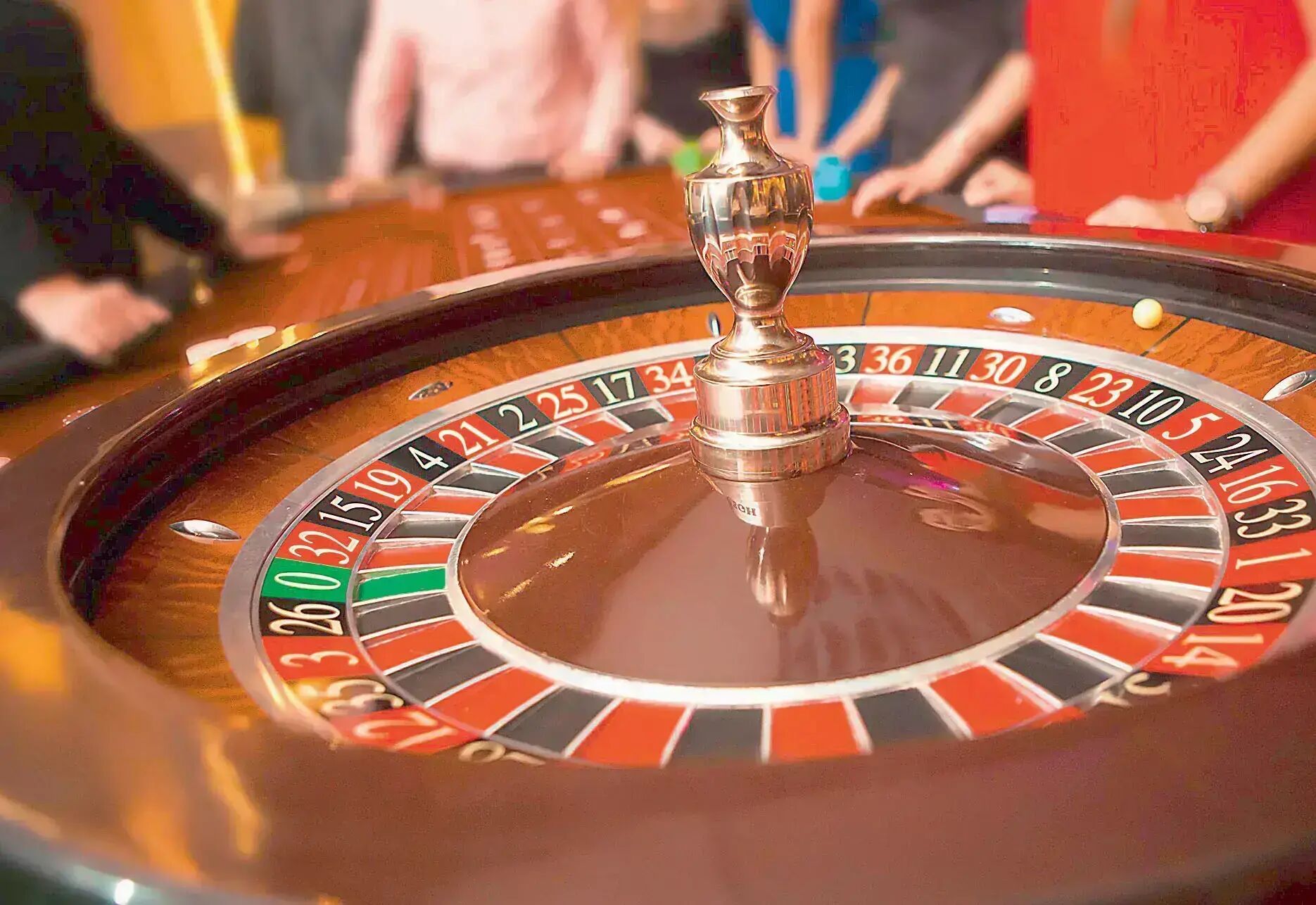
Furthermore, the unpredictability of games adds to the excitement. The variable rewards keep players engaged, as they never know when a win might occur. This uncertainty can lead to a phenomenon known as “loss chasing,” where players continue to gamble in hopes of recouping previous losses, further entrenching them in the cycle of play.
Social Interaction and Community
Another crucial aspect of casino behavior is the social element. Many players enjoy the camaraderie that can develop in a casino setting. The shared experience of gambling can foster friendships and create a sense of belonging among players. Engaging with others can also enhance the enjoyment of the game, making the experience more than just about winning money.
Casinos often host events and tournaments that encourage social interaction, creating a community around gaming. This sense of belonging can be addictive; players may return not only for the games but also for the connections they build within the casino environment. This community aspect can greatly influence player loyalty and frequency of visits.
Psychological Strategies in Game Design
Casino games are meticulously designed to maximize player engagement and retention. Features such as near misses, enticing graphics, and sound effects are employed to keep players hooked. The concept of the “near miss”—when a player comes close to winning but falls short—can stimulate continued play, as it creates a false sense of hope.
Moreover, many games offer frequent small wins, which can reinforce behavior and encourage players to keep playing. Players often underestimate the odds and overestimate their chances of winning, influenced by cognitive biases such as the gambler’s fallacy, further driving the craving to return to the casino.
The Role of Personal Psychology
Individual differences in psychology play a significant role in gambling behavior. Factors such as personality traits, risk tolerance, and emotional state can influence how often someone visits a casino. For instance, those with high levels of sensation-seeking may be more drawn to the thrill of gambling, while individuals with lower risk tolerance might approach it with caution.
Psychological issues, such as anxiety or depression, can also affect gambling habits. Some individuals may turn to gambling as a form of escapism, seeking to relieve stress or improve their mood. This can create a problematic cycle where individuals feel compelled to return to gaming as a coping mechanism, leading to potential addiction.

Understanding the Impact of Online Behaviors
The rise of online casinos has transformed the landscape of gambling. The convenience and accessibility of online platforms attract a broader audience, changing how people engage with gambling. Players can now gamble from the comfort of their homes, fostering a sense of privacy while still partaking in the same psychological triggers.
Online casinos utilize various strategies to keep players returning, including bonuses, promotions, and personalized experiences. These features not only enhance the gaming experience but also create a sense of commitment and loyalty. As technology continues to evolve, understanding player psychology in the online realm grows increasingly vital for both players and operators.